Stirling Road
Nine apps, none of which could talk to each other. One homeowner who wanted the best device in every category and refused to pick an ecosystem. This is how it became a single system.
Best in every category - and nine apps to show for it
This project was completed for a working professional in his 50s who wanted an uncompromising smart home built from the very best products on the market. Rather than committing to a single ecosystem, he chose the strongest device in every category - lighting, entertainment, security, networking, appliances.
That quickly became the problem. Most of what he wanted only worked inside its own proprietary app, which left him with nearly nine separate applications to run one house. Every device worked; none of them worked together. Automations were impossible and daily operation was needlessly complicated.
He came to CtrlSpace with a single objective: unify the entire home onto one platform without giving up a single feature any manufacturer offered. Using Home Assistant as the backbone, every compatible device was integrated into one ecosystem - complete control, automation and monitoring from a single application.
The network came first
A reliable network is the foundation of every smart home. However advanced the automation, an unstable home network guarantees dropped devices, delayed responses and an inconsistent experience - so CtrlSpace designed the networking infrastructure from the ground up.
- Wi-Fi heatmap planning before installation determined optimal access point placement, giving full wireless coverage with minimal dead zones.
- The entire system was built on Ubiquiti UniFi equipment for enterprise-grade performance, centralised management and future scalability.
- A dedicated IoT network isolates every appliance, sensor and controller from the homeowner's personal devices and the guest network - improving security and keeping visitors away from the automation system.
A house with no wall switches
The property is a Landed HDB - a relatively uncommon housing type - and the homeowner appointed his own electrical contractor during renovation. CtrlSpace worked alongside that electrician throughout, with every lighting circuit, switch location and electrical provision planned against lighting drawings we prepared before installation began.
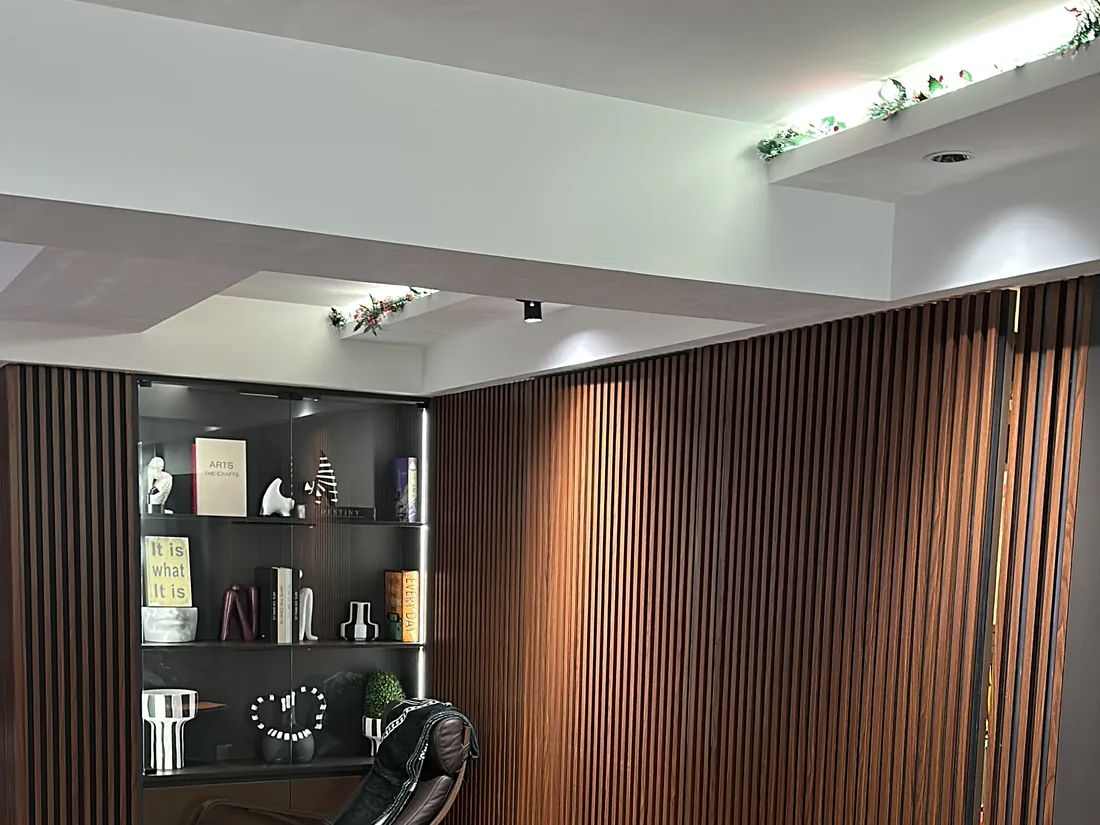
Unlike a conventional smart home, this property was deliberately designed to operate without physical wall switches. Around 80 smart lighting devices are installed throughout, every circuit permanently energised, and the original wall switches are discreetly concealed inside cabinetry. Day-to-day control happens through Home Assistant, wireless Zigbee switches, the mobile app, voice, and automations.
This architecture eliminates one of the most common frustrations in smart homes - the conflict between smart switches and smart bulbs. Cutting power at the wall makes a smart bulb unreachable until power is restored, and repeatedly power-cycling Zigbee lights also weakens the Zigbee mesh, causing routing instability and slower responses. Keeping every light permanently powered keeps the mesh healthy.
The result is an exceptionally stable installation that has run 24 hours a day, seven days a week, for over three years - without a single system incident.
RGB, taken seriously
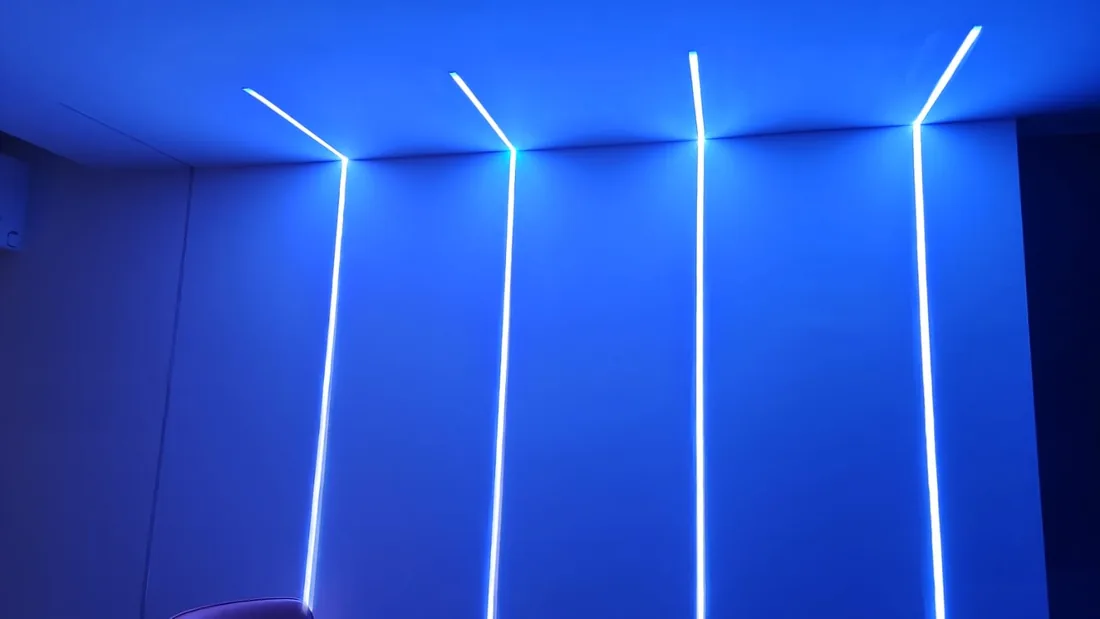
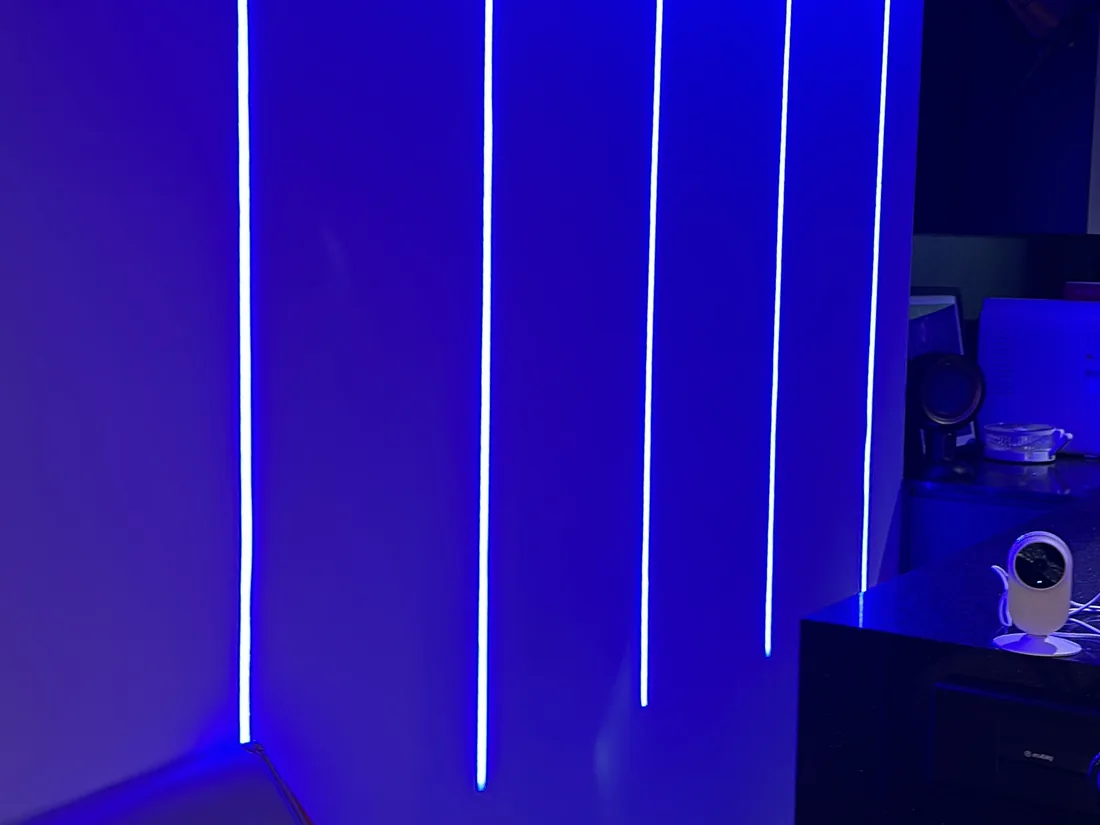
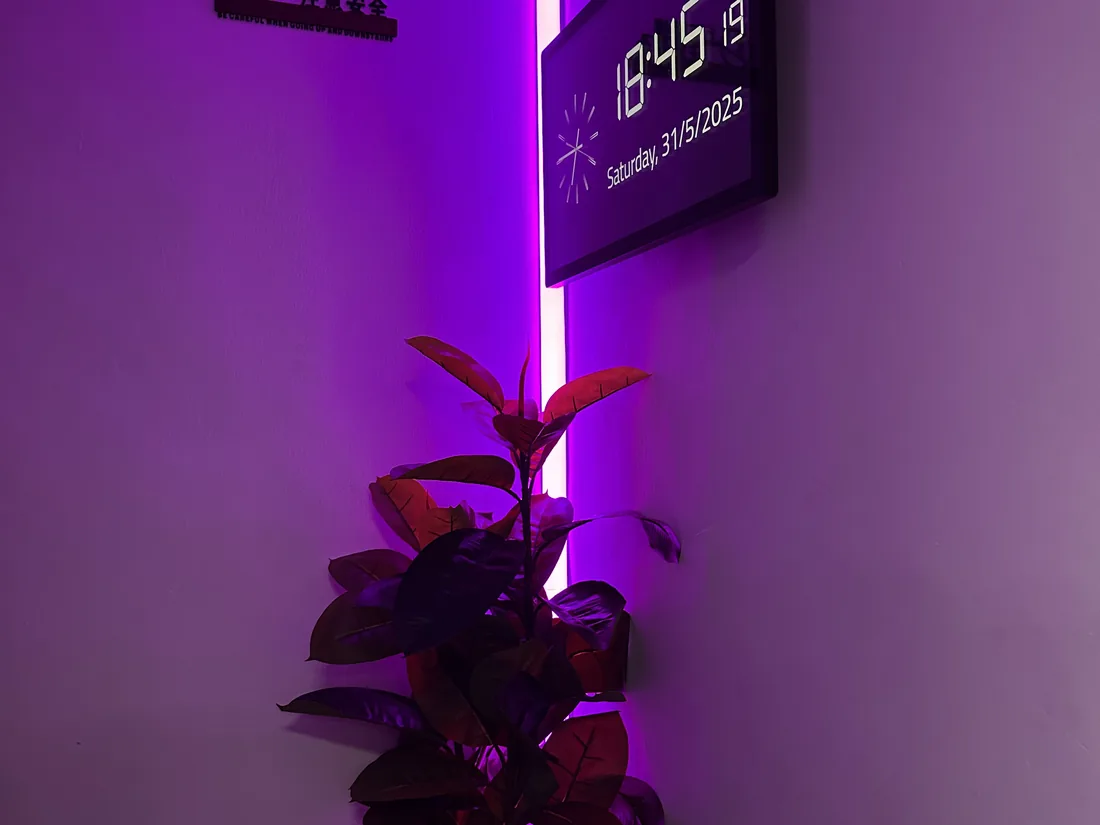
The homeowner has a strong passion for RGB lighting - and so do we. Multiple custom WLED installations were designed throughout the property to create lighting that goes well beyond conventional smart bulbs.
- A single button press turns the whole home into a party environment, with synchronised sound-reactive lighting effects.
- Individually addressable staircase strips illuminate dynamically as he walks up or down.
- Custom LED lighting is integrated beneath the bar counter in the entertainment area.
Home before he is
One request was simple: never come back to a warm, stuffy house after a long day. CtrlSpace built a one-touch automation that starts every air-conditioning unit ahead of his arrival, so the house is already comfortable the moment he opens the front door.
Because the home was intentionally built without conventional wall switches, voice control became essential rather than decorative. Google Home speakers are placed throughout, and custom routines - Good Morning, Good Night, I'm Home, I'm Leaving - each perform multiple actions at once: adjusting lighting scenes, controlling entertainment, operating the air-conditioning and preparing the home for whatever comes next.
Guests get their own house
Although the homeowner lives alone, the property includes a first-floor guest bedroom prepared for visiting family, friends or future tenants. During planning he raised one clear concern: guests should not have unrestricted access to the rest of the home's automation.
CtrlSpace built a completely separate interface for the guest room. Guests control only the devices in their own room, plus selected shared spaces such as the kitchen where appropriate. It protects the homeowner's privacy and prevents accidental operation elsewhere in the house - because the last thing anyone wants is a guest switching on every light while the owner is asleep upstairs.
The floorplan everyone actually uses
To finish the system, a 20-inch wall-mounted touchscreen runs a custom Home Assistant dashboard. Its interactive floorplan shows the real-time status of lighting, sensors and connected devices across the property - tap a room to control individual devices or entire lighting zones, with no menus to navigate.
His favourite daily convenience is switching off every light on the first floor with a single tap before heading upstairs. The floorplan has become one of the home's most-used interfaces: practical, convenient, and with just the right amount of wow factor.